
Business
Claude Edward Elkins Jr: 7 Powerful Lessons From an Inspiring Rail Leader


Who Is Claude Edward Elkins Jr?
Claude Edward Elkins Jr, professionally listed by Norfolk Southern as Claude E. Elkins and commonly known as Ed Elkins, is an American business executive in the freight railroad industry. He serves as Executive Vice President and Chief Commercial Officer at Norfolk Southern Corporation, one of the major freight rail companies in the United States. Norfolk Southern’s official leadership biography states that Elkins was appointed Chief Commercial Officer in 2021 and leads major business divisions including Intermodal, Automotive, and Industrial Products.
His story stands out because it is not the usual “straight to the boardroom” executive path. Before reaching senior leadership, he served in the United States Marine Corps and began his Norfolk Southern career in 1988 as a Road Brakeman. From there, he worked as a Conductor, Locomotive Engineer, and Relief Yardmaster before moving into marketing and commercial leadership.
That kind of career path matters. It shows a rare blend of field experience, military discipline, education, and business strategy. In plain words, Elkins did not just study railroads from a distance. He learned the industry from the ground up.
Early Life and Southwest Virginia Roots
Norfolk Southern identifies Elkins as a native of Southwest Virginia, a region known for strong community ties, practical work, and deep connections to transportation, energy, and manufacturing. While many details about his private early life are not publicly available, his professional journey suggests that his background helped shape a grounded leadership style.
Southwest Virginia has long been connected to rail movement, resource transportation, and industrial work. For someone entering the railroad business, that environment can build respect for labor, safety, and teamwork. Those values later appear throughout Elkins’ career.
His rise also proves an important point: where you start does not have to limit where you finish. A person can begin in hands-on work, build skill step by step, and later guide large business divisions. That is one reason searches for Claude Edward Elkins Jr have grown. People are interested in leaders who earned their way upward.
Military Service Before the Railroad Industry
Before joining Norfolk Southern, Elkins served in the United States Marine Corps. Norfolk Southern’s official biography includes this service as a key part of his background.
Military experience often develops habits that transfer well into transportation and logistics. These include discipline, clear communication, responsibility, and the ability to perform under pressure. Freight rail is a high-stakes field. It involves safety rules, schedules, heavy equipment, customers, employees, and public trust.
A Marine Corps background likely gave Elkins a strong base for working in rail operations. In railroad work, small details matter. A missed signal, poor communication, or weak process can create serious problems. Leaders who understand discipline from experience are often better prepared to manage complex systems.
Starting at Norfolk Southern as a Road Brakeman
One of the most important parts of the Claude Edward Elkins Jr story is his start at Norfolk Southern. He was hired in 1988 as a Road Brakeman, an operational railroad role. He later served as a Conductor, Locomotive Engineer, and Relief Yardmaster.
These roles are not symbolic titles. They are demanding jobs that require attention, teamwork, and knowledge of how trains actually move. A brakeman and conductor must understand rail operations at track level. A locomotive engineer must know how to operate trains safely. A yardmaster helps manage the movement of railcars in yards.
This practical background gave Elkins something many executives never fully gain: firsthand knowledge of frontline railroad work. When a leader has worked in operations, they can better understand employee concerns, customer needs, and service challenges.
Education and Professional Development
Elkins also invested in education. He earned a bachelor’s degree in English from the University of Virginia’s College at Wise and an MBA from Old Dominion University, with a concentration in Port and Maritime Economics.
This combination is interesting. An English degree builds communication, writing, and critical thinking skills. An MBA with a port and maritime focus adds business, trade, and logistics knowledge. Together, they fit well with commercial leadership in freight transportation.
Modern rail executives need more than technical knowledge. They must explain strategy, work with customers, guide teams, understand markets, and communicate with partners. Elkins’ education helped him bridge the gap between field operations and executive decision-making.
Rise Through Intermodal Marketing and Industrial Products
After his operations experience, Elkins moved into commercial roles. Norfolk Southern says he spent two decades in Intermodal Marketing. In 2016, he became Group Vice President of Chemicals Marketing, and in 2018, he was promoted to Vice President of Industrial Products.
Intermodal freight combines rail with other transport modes, often trucks and ships. It is a vital part of modern supply chains because it helps move containers efficiently across long distances. Chemicals and industrial products also require careful planning because customers need safe, reliable, and timely service.
These roles prepared Elkins for senior leadership. He gained experience with customers, pricing, supply chains, manufacturing needs, and network planning. In business terms, he learned both the “how” and the “why” of freight movement.
Claude Edward Elkins Jr at Norfolk Southern Today
Today, Claude Edward Elkins Jr serves as EVP and Chief Commercial Officer at Norfolk Southern. His responsibilities include leading the company’s Intermodal, Automotive, and Industrial Products business divisions. He also manages Real Estate, Industrial Development, Short Line Marketing, Field Sales, and Customer Logistics business groups.
That is a broad role. It places him at the center of customer growth, industrial partnerships, freight demand, and commercial strategy. Norfolk Southern describes itself as operating a freight transportation network that serves much of the U.S. population and manufacturing base, with connections to more than 54 inland, lake, river, and sea ports.
In simple terms, Elkins helps guide how Norfolk Southern serves businesses that need to move goods. Those goods can include consumer products, auto parts, metals, agricultural goods, chemicals, and containers.
Leadership Style and Business Philosophy
Elkins’ public comments point to a practical, customer-focused leadership style. In a Norfolk Southern release about East Edge double-stack service, he said the company is looking for ways to add value to customer supply chains and described the service as a smarter, more sustainable way to grow with rail.
That statement reflects three major themes:
| Leadership Theme | What It Means |
|---|---|
| Customer value | Helping businesses move goods more efficiently |
| Reliability | Improving service options and supply chain confidence |
| Sustainability | Encouraging rail as a cleaner freight solution |
Good commercial leadership in rail is not just about selling space on trains. It is about solving problems for customers. Manufacturers, retailers, ports, and industrial companies need predictable service. When rail works well, supply chains become stronger.
Role in Sustainable Shipping and Rail Growth
Sustainability is a growing part of freight transportation. Norfolk Southern states that rail helps customers avoid about 15 million tons of annual carbon emissions by shipping via rail.
In January 2026, Norfolk Southern announced it had joined the Smart Freight Centre, a nonprofit focused on sustainable logistics. In that announcement, Elkins emphasized partnership with maritime collaborators and cargo owners to reduce supply chain emissions and deliver smarter logistics solutions.
This is important because transportation is a major part of business emissions. Many companies now want cleaner supply chains. Rail can play a strong role because it is often more fuel-efficient for long-distance freight than trucking alone.
Impact on U.S. Manufacturing and Industrial Development
Elkins also plays a role in industrial development. Norfolk Southern reported that its 2025 industrial development activity supported a $7.7 billion pipeline, with more than 500 U.S. manufacturing projects in the site selection phase. In that announcement, Elkins said rail has a foundational and increasingly strategic role in U.S. supply chains.
This matters because rail access can influence where companies build factories, warehouses, and distribution centers. A rail-served site can lower transport costs, improve shipping options, and connect businesses to ports and markets.
For local communities, industrial development can mean jobs, tax revenue, and long-term investment. For companies, it can mean stronger logistics. For railroads, it creates future freight demand.
Professional Boards and Community Involvement
Norfolk Southern’s official biography lists several professional and civic roles for Elkins. He serves as Vice Chair of the Georgia Chamber of Commerce and sits on the boards of the East Lake Foundation, National Association of Manufacturers, and TTX Company. He also serves on the Georgia State University Marketing RoundTable and is a member of The Conference Board’s Council for CMOs.
These roles show that his work extends beyond Norfolk Southern alone. They connect him to manufacturing, community development, business leadership, marketing, and broader economic planning.
7 Career Lessons From Claude Edward Elkins Jr
1. Start where opportunity appears.
Elkins began as a Road Brakeman, not as an executive. That starting point gave him valuable field knowledge.
2. Learn the business from the ground up.
His operations roles helped him understand safety, service, and frontline realities.
3. Keep building your education.
His English degree and MBA show the value of combining communication with business knowledge.
4. Move across departments.
He shifted from operations to intermodal marketing, chemicals marketing, industrial products, and executive leadership.
5. Respect customers’ real problems.
His commercial role focuses on supply chains, service, and business growth.
6. Connect growth with sustainability.
His public comments support smarter logistics and lower-emission freight options.
7. Lead with practical credibility.
Because he has worked at multiple levels, his leadership carries real-world understanding.
Common Misconceptions About Claude Edward Elkins Jr
A common mistake is treating Claude Edward Elkins Jr like a celebrity figure with endless personal details online. He is better understood as a public business executive. Most reliable information about him comes from official Norfolk Southern materials and business announcements.
Another misconception is that his story is only about personal success. It is also about the changing role of freight rail in America. His career connects to manufacturing, ports, intermodal service, sustainability, and economic development.
FAQs About Claude Edward Elkins Jr
Who is Claude Edward Elkins Jr?
Claude Edward Elkins Jr, also known as Claude E. “Ed” Elkins, is Executive Vice President and Chief Commercial Officer at Norfolk Southern Corporation.
What is Claude Edward Elkins Jr known for?
He is known for rising from railroad operations roles, including Road Brakeman and Locomotive Engineer, to senior executive leadership at Norfolk Southern.
When did Claude Edward Elkins Jr join Norfolk Southern?
He joined Norfolk Southern in 1988 as a Road Brakeman after serving in the United States Marine Corps.
What does he do as Chief Commercial Officer?
He leads Norfolk Southern’s Intermodal, Automotive, and Industrial Products divisions, along with several commercial and customer-focused business groups.
What is his educational background?
He earned a bachelor’s degree in English from the University of Virginia’s College at Wise and an MBA from Old Dominion University with a concentration in Port and Maritime Economics.
Why is his career considered inspiring?
His career is inspiring because he moved from hands-on railroad work to executive leadership through discipline, education, experience, and long-term commitment.
Is Claude Edward Elkins Jr involved in sustainability work?
His role connects to Norfolk Southern’s sustainability-focused freight efforts. He has publicly supported partnerships aimed at reducing supply chain emissions and improving logistics solutions.
Conclusion
Claude Edward Elkins Jr represents a strong example of career growth through service, skill, education, and persistence. His path from the U.S. Marine Corps to railroad operations and then to executive leadership at Norfolk Southern shows that practical experience can become a powerful foundation for business success.
His story is not just about one person’s promotion. It is also about the value of freight rail, customer-focused logistics, sustainable shipping, and industrial growth. For students, professionals, and future leaders, his career offers a clear message: start with discipline, keep learning, respect the work, and build your way forward.

In today’s digital world, receiving calls from unfamiliar numbers has become a common experience. One number that has attracted attention from many recipients is 07723388021. Whether you’ve seen a missed call, received multiple attempts to contact you, or simply searched for information online, understanding who might be behind a number can help you make informed decisions.
This guide explores 07723388021, common reasons people search for unknown phone numbers, and practical steps for handling unexpected calls safely.
Why Are People Searching for 07723388021?
Many individuals search for unfamiliar numbers after receiving calls they do not recognize. In most cases, people want to determine:
- Whether the call was legitimate
- If the number belongs to a business or individual
- Whether other users have reported similar experiences
- If the call could be related to marketing, customer service, or potential scams
As online phone-number lookup platforms continue to grow, users often share their experiences to help others identify unknown callers.
Common Reasons You May Receive a Call
A call from an unfamiliar mobile number does not automatically indicate a problem. There are several legitimate reasons why someone may contact you.
Business-Related Communication
Companies often use mobile numbers when contacting customers regarding:
- Service updates
- Delivery notifications
- Appointment confirmations
- Customer support follow-ups
If you recently interacted with a company, the call may be related to an ongoing request or inquiry.
Personal Contact
Sometimes a friend, family member, or acquaintance may call from a new number. This is especially common when people change providers or use temporary mobile numbers.
Marketing and Promotional Calls
Some organizations conduct marketing campaigns through mobile phones. These calls may offer products, services, surveys, or promotional opportunities.
Verification and Follow-Up Calls
Certain organizations contact customers to verify information, confirm registrations, or provide updates regarding ongoing transactions.
Important Things to Check Before Responding
2. Search online for reports and user feedback related to the number before returning the call.
3. Never share banking details, passwords, or verification codes unless you are certain of the caller’s identity.
How to Identify Unknown Numbers Safely
When dealing with an unfamiliar number such as 07723388021, it is important to follow a cautious approach.
Let the Call Go to Voicemail
If you’re unsure about the caller, allow the call to go to voicemail. Genuine callers typically leave a message explaining their reason for contact.
Verify the Caller
If the caller claims to represent a company, verify the information independently through the organization’s official website or customer service channels.
Look for Community Reports
Many online directories allow users to report experiences with unknown phone numbers. Reviewing community feedback can provide useful context.
Watch for Red Flags
Be cautious if the caller:
- Creates urgency or pressure
- Requests financial information
- Asks for passwords or security codes
- Demands immediate action
These behaviors can indicate suspicious activity.
What Should You Do if the Call Seems Suspicious?
Not every unexpected call is dangerous, but it is wise to remain alert.
Avoid Sharing Sensitive Information
Never disclose:
- Bank account details
- Credit card numbers
- Online banking credentials
- One-time verification codes
Legitimate organizations generally have secure procedures and will not ask for sensitive information in an unsafe manner.
Block the Number if Necessary
If repeated unwanted calls occur, most smartphones provide built-in blocking features that can prevent future contact.
Report Serious Concerns
If you believe a caller is engaging in fraudulent behavior, consider reporting the issue to the appropriate authorities or consumer protection organizations.
Why Phone Number Searches Are Increasing
The rise of spam calls and digital communication has led more people to investigate unknown numbers before responding. Search engines now serve as a valuable resource for users seeking information about calls from numbers like 07723388021.
People often look for:
- Caller identity
- Call purpose
- User reviews
- Scam warnings
- Business associations
This growing demand has made phone-number information pages increasingly popular among internet users.
How to Protect Yourself From Unwanted Calls
Developing good phone security habits can significantly reduce risk.
Keep Personal Information Private
Avoid sharing personal details with unknown callers unless their identity has been verified.
Use Built-In Phone Security Features
Modern smartphones offer:
- Spam detection
- Call screening
- Number blocking
- Caller identification services
These tools can help filter unwanted communications.
Stay Informed About Common Scams
Fraud tactics evolve regularly. Understanding current scam techniques can make it easier to recognize suspicious behavior.
Conclusion
Receiving a call from 07723388021 may naturally lead you to search for more information before responding. While many unknown calls have legitimate explanations, caution is always advisable when dealing with unfamiliar numbers. By verifying callers, protecting personal information, and reviewing community feedback, you can make informed decisions and reduce the risk of unwanted interactions. Taking a few simple precautions ensures that you remain safe while staying connected in an increasingly digital world.
FAQs
1. What is 07723388021?
07723388021 is a UK mobile phone number that people may search online after receiving a call or missed call from it.
2. Is 07723388021 a scam number?
There is no universal answer. The nature of a call depends on the caller using the number. Always verify the caller before sharing information.
3. Should I call 07723388021 back?
If you are unsure about the caller’s identity, consider researching the number first or waiting for a voicemail message.
4. How can I check who called me from 07723388021?
You can review online phone-number directories, community reports, and any voicemail messages left by the caller.
5. What should I do if I receive repeated calls?
If the calls become unwanted or suspicious, you can block the number and report concerning activity through the appropriate channels.
Blogs
The Ultimate Guide to Celebrity Magazine Subscriptions: Why We Still Love the Glitz and Glamour

For decades, the allure of the red carpet, the mystery of behind-the-scenes lives, and the ever-changing trends of Hollywood have captivated audiences worldwide. While social media provides instant updates, nothing quite replaces the curated experience of celebrity magazine subscriptions. These publications offer a deep dive into the lives of the rich and famous, providing a level of detail, exclusive photography, and long-form storytelling that a 15-second “story” simply cannot match.
In an era of digital noise, having a physical or digital magazine delivered to you offers a moment of intentional relaxation. Whether you are looking for fashion inspiration, home décor ideas from A-listers, or the latest news on your favorite stars, choosing the right subscription can keep you connected to the pulse of pop culture.
The Evolution of Celebrity Magazine Subscriptions in the Digital Age
The landscape of media has shifted dramatically, but the core appeal of celebrity magazine subscriptions remains rooted in our desire for storytelling. In the past, we waited a full week to see the photos from a high-profile wedding; today, while we might see a grainy phone snap instantly, we still wait for the magazine to provide the “exclusive” high-resolution spread and the intimate interview that goes with it.
Publishers have adapted by offering hybrid models. Subscribing no longer means just a stack of paper on your coffee table. Modern subscriptions often include:
-
Digital Archives: Access to decades of past issues.
-
Early Access: Reading the cover story before it hits the newsstands.
-
Exclusive Video Content: QR codes within the magazine that lead to “Day in the Life” videos.
-
Newsletter Perks: Curated daily emails that summarize the day’s biggest headlines.
Why Quality Content Matters in Celebrity Reporting
When looking for celebrity magazine subscriptions, readers are increasingly looking for more than just “rumors.” They want verified information and high-quality journalism. The most successful magazines in this niche are those that have built relationships with the stars themselves, ensuring that the interviews are authentic and the photos are authorized. This level of professional journalism is what separates a top-tier magazine from a tabloid.
Top Categories for Your Celebrity Magazine Subscriptions
Not all celebrity magazines are created equal. Depending on your specific interests, you might find that certain publications cater better to your tastes.
1. Fashion and Lifestyle Focus
If you are more interested in what celebrities are wearing than who they are dating, publications like Vogue, Harper’s Bazaar, or Elle are essential. These celebrity magazine subscriptions focus on the intersection of fame and high fashion, often featuring iconic covers that become part of fashion history.
2. News and Weekly Updates
For those who want to stay current with every breakup, makeup, and baby announcement, weekly staples like People or Us Weekly are the gold standard. These magazines provide a fast-paced look at Hollywood, ensuring you never miss a beat in the fast-moving world of entertainment.
3. Deep-Dive Interviews and Profiles
Vanity Fair is perhaps the most famous example of a magazine that treats celebrities with the same journalistic rigor as political figures. Their subscriptions are perfect for readers who enjoy 5,000-word profiles that explore the psyche and career trajectories of the world’s biggest stars.
The Hidden Benefits of Celebrity Magazine Subscriptions
Beyond the gossip and the glamour, there are several practical reasons why people continue to invest in these subscriptions.
-
Curated Trends: Instead of scrolling through thousands of influencers, editors curate the top trends that are actually making an impact.
-
A Digital Break: Many subscribers opt for print editions specifically to reduce screen time. Flipping through a glossy magazine is a tactile experience that offers a mental break from the blue light of smartphones.
-
Coffee Table Aesthetics: Let’s be honest—a stack of high-end magazines looks great. They serve as conversation starters and décor pieces in modern homes.
How to Choose the Best Celebrity Magazine Subscriptions for You
With so many options available, it can be overwhelming to decide where to spend your money. Here are a few factors to consider before hitting that “subscribe” button:
-
Frequency: Do you want a weekly hit of news or a monthly deep dive?
-
Format Preference: Are you a “tablet reader” or do you prefer the smell of fresh ink on paper?
-
Niche Interests: Are you into British royalty? Southern living? Indie film stars? Look for a magazine that aligns with your specific “fandom.”
-
Price and Bundles: Often, publishers offer “family” bundles where you can get multiple titles (e.g., a fashion mag and a news mag) for a discounted rate.
Managing Your Celebrity Magazine Subscriptions
It is easier than ever to manage your reading list. Most major publishers have dedicated apps where you can toggle your subscription settings, update your address, or switch from print to digital with a single click. Furthermore, many services like Readly or Apple News+ act as a “Netflix for magazines,” allowing you to access hundreds of celebrity magazine subscriptions for one monthly fee.
The Impact of Social Media on Subscriptions
It’s a common misconception that Instagram killed the celebrity magazine. In reality, it has made the curated content of a magazine more valuable. On social media, the celebrity controls the narrative entirely. In a magazine, an editor and a professional interviewer provide a different perspective. This “outside-in” look is often more revealing and interesting than a polished, filtered Instagram post.
Sustainable Reading: The Future of the Industry
As we become more environmentally conscious, the industry is changing. Many celebrity magazine subscriptions now offer “Eco-friendly” options, using recycled paper and soy-based inks. Additionally, the push toward digital-only subscriptions significantly reduces the carbon footprint of the publishing industry, allowing fans to enjoy their favorite content guilt-free.
Conclusion: Why We Stay Subscribed
The world of fame is a fascinating mirror of our society. It reflects our values, our fashion, and our dreams. Celebrity magazine subscriptions provide a curated, professional, and beautiful way to engage with that world. Whether you are looking for the thrill of a weekly update or the sophistication of a monthly profile, there is a publication out there that fits your lifestyle perfectly.
By choosing a subscription, you are not just buying a product; you are buying an experience—a moment of escape into a world of beauty, drama, and inspiration.
Frequently Asked Questions (FAQs)
1. Can I get celebrity magazine subscriptions in digital format only?
Yes, almost every major publication now offers digital-only subscriptions. These are typically cheaper than print versions and can be accessed instantly on your smartphone, tablet, or computer through the magazine’s app or website.
2. Is it cheaper to subscribe than to buy individual issues at the store?
Absolutely. Subscribing usually offers a discount of 50% to 80% off the newsstand price. Most publishers also offer “introductory rates” for new subscribers that are incredibly affordable.
3. How do I cancel my celebrity magazine subscriptions if I move?
Most magazines allow you to manage your subscription online. You can simply log into your account portal to change your mailing address or cancel the service. If you have a digital subscription via an app store, you can manage it through your phone’s subscription settings.
4. Are there subscriptions that offer multiple magazines at once?
Yes, services like Apple News+ or Readly offer a flat monthly fee that gives you unlimited access to hundreds of different celebrity and lifestyle magazines, rather than paying for each title individually.
5. What is the most popular celebrity magazine for exclusive interviews?
People Magazine and Vanity Fair are widely considered the leaders for exclusives. People often gets the first authorized photos of weddings and babies, while Vanity Fair is known for deep, investigative profiles of major stars.
Introduction
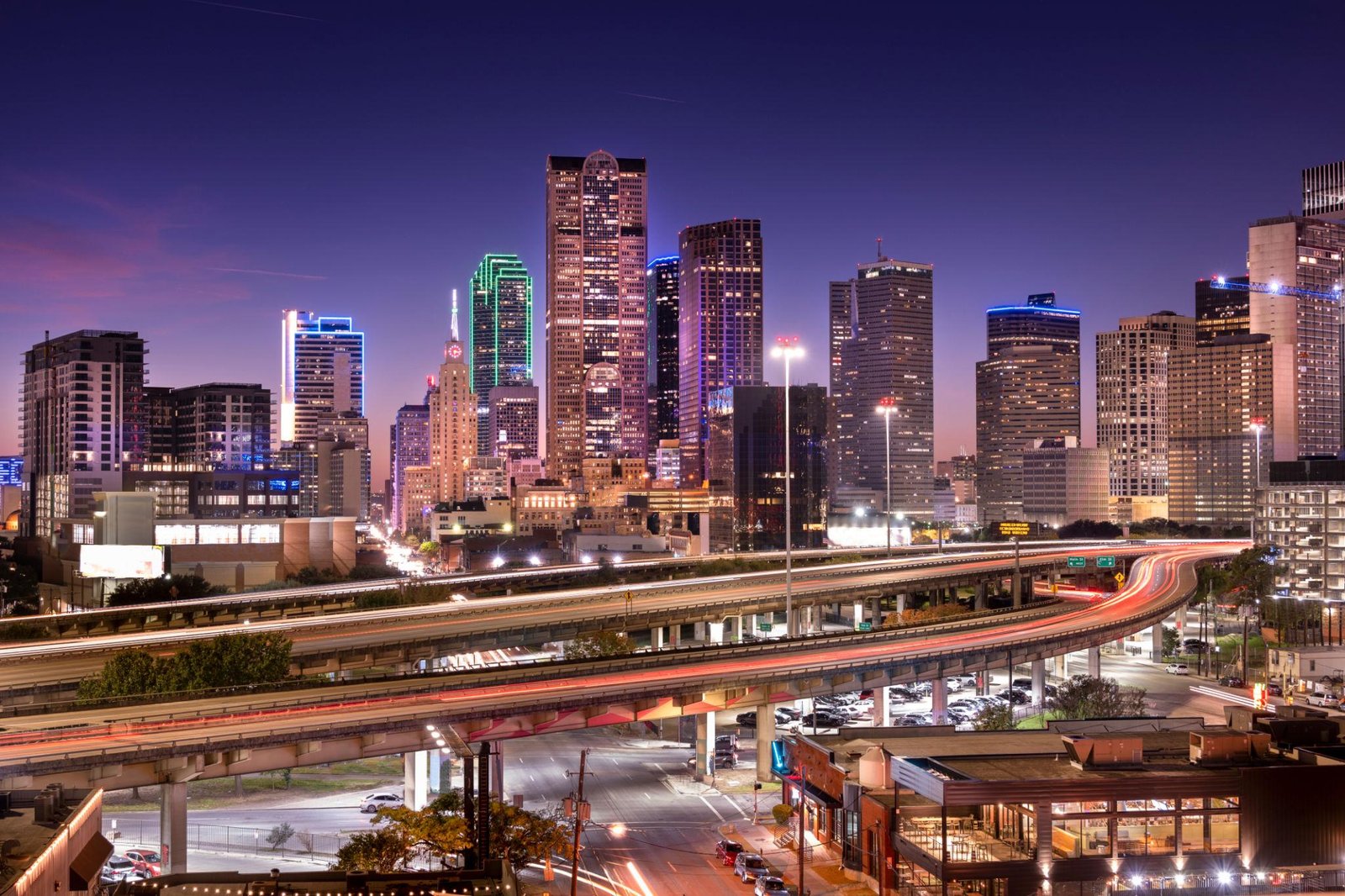
Some cities feed you. Dallas, though? It courts you first.
You step out hungry, thinking you’ll grab something quick, and the city has other plans. One block smells like smoked brisket, the next one throws tacos, noodles, pastry, and sizzling peppers into the air like it’s showing off. And honestly, Dallas has earned that right. The city’s food scene stretches across more than 20 neighborhoods, mixing Texas staples with a broad range of international dining, from barbecue and steak to Asian specialties and beyond.
That’s what makes this place so fun to eat through. It isn’t just about fancy reservations or famous dishes. It’s about mood. Timing. Curiosity. It’s about wandering into a district with no hard plan and leaving full, slightly amazed, and already talking about where to go next.
In Dallas, food doesn’t sit quietly on a plate. It crackles, drips, spills, comforts, surprises, and sometimes flat-out steals the evening. You might come for Tex-Mex, which is deeply rooted in the city’s food identity, but you’ll quickly notice that Dallas doesn’t stop there. It keeps going, and then keeps going some more.
So, pull up a chair. This guide isn’t a stiff directory. It’s a flavorful stroll through the spirit, neighborhoods, and habits that make eating in Dallas feel like a small event every single time.
Why Eateries in Dallas Feel So Alive
Dallas has that rare trick of making a meal feel bigger than the meal itself.
Part of it is the city’s personality. There’s swagger here, sure, but also range. One table wants a long steak dinner. Another wants late-night tacos after music. Someone else is hunting down coffee, dessert, and a patio with just enough people-watching to turn a snack into a whole plan. Dallas makes room for all of it.
And then there’s the neighborhood effect. Food in Dallas changes tone depending on where you land. Uptown leans polished and walkable, Bishop Arts feels artsy and full of character, and Lower Greenville brings high energy, bars, and a growing number of MICHELIN-recommended restaurants. That variety is one reason the city feels less like one giant dining scene and more like several delicious little worlds stitched together.
What really seals the deal, though, is the mood around eating here. Dallas doesn’t treat dinner like a chore. It treats it like the main event, or at least a very good excuse to start one.
The Flavors That Shape Dallas
If you’re trying to understand Dallas through food, start with the classics, then let the city surprise you.
Tex-Mex That Knows Exactly What It’s Doing
Tex-Mex in Dallas isn’t some side note. It’s part of the city’s backbone. Fajitas that hiss the second they hit the table, enchiladas drowned in comfort, queso that disappears before anyone admits they’re full, it’s all woven into local food culture.
And here’s the thing: great Tex-Mex isn’t just about heat. It’s about generosity. The baskets are warm. The portions don’t play around. The flavors come in bold, confident strokes. Nothing timid. Nothing apologetic. Dallas likes its food the way it likes its personality: big, memorable, and a little louder than expected.
Barbecue That Slows Time Down
You can’t talk about Dallas without talking smoke.
Barbecue here has patience built into it. Brisket isn’t rushed. Ribs aren’t an afterthought. Sausage arrives with the kind of confidence that says, “Yeah, go ahead, judge me.” Then you do. And it wins.
Official Dallas travel guidance highlights barbecue alongside steak and tacos as part of the city’s signature Texas flavor profile, and Bishop Arts is specifically noted for standout smoked meat options like Lockhart Smokehouse.
A barbecue meal in Dallas often feels like a small ceremony. You line up, you glance at trays, you over-order on purpose, and suddenly lunch turns into storytelling. It’s messy in the best way. Napkins disappear fast. Nobody minds.
Global Food With Local Energy
Here’s where Dallas catches some visitors off guard.
Yes, the city loves its Texas staples. But Dallas tourism materials also point to a dining landscape that stretches from Laotian boat noodles to Japanese sashimi, while local guides spotlight strong Asian dining across multiple neighborhoods.
That means the city doesn’t ask you to choose between comfort and curiosity. You can have both. One day you go all in on tacos and brisket. The next day you’re chasing dumplings, sushi, noodle bowls, or something you’ve never tried before but can’t stop thinking about afterward.
That mix keeps Dallas sharp. It never feels one-note.
Neighborhoods That Turn Dinner Into an Adventure
A city’s food scene is only as fun as the places you walk through to find it. Dallas gets this right.
Bishop Arts: Creative, Cozy, and Full of Flavor
Bishop Arts is one of Dallas’s most distinctive districts, with boutiques, galleries, coffee shops, bars, and a strong lineup of restaurants packed into an area that feels personal rather than overwhelming. Visit Dallas describes it as one of the city’s most unique neighborhoods, and the dining scene there backs that up.
This is the kind of place where breakfast can slide into shopping, then coffee, then pizza, then pie, then maybe one more drink because the night still feels young. You don’t just eat in Bishop Arts. You linger there. That’s the secret sauce.
It’s especially good for people who like a meal with a side of atmosphere. A little charm, a little chatter, a little “let’s walk before we decide.” Frankly, that’s often when the best choices happen.
Uptown: Sleek, Walkable, and Ready for a Long Night
Uptown brings a different rhythm. It’s polished, lively, and highly walkable, with restaurants, nightlife, shopping, patios, and rooftop options that make an evening feel easy to build without much effort. Visit Dallas describes the district as buzzing and one of the city’s most walkable neighborhoods.
This is where you go when you want your dinner to look sharp without becoming stuffy. Think date nights, group dinners, cocktails that stretch the evening, and places where the lighting somehow flatters everybody.
Uptown works because it’s efficient but not sterile. You can move from one stop to the next without breaking the mood. And that matters. A lot of great nights die in the parking lot. Uptown keeps them alive.
Lower Greenville: Buzz, Bars, and Bite-After-Bite Energy
Lower Greenville has the kind of street energy that can turn a quick dinner into a three-stop crawl if you’re not careful, or if you are careful, depending on your priorities. The neighborhood is described by Visit Dallas as buzzing with nightlife and an increasing number of MICHELIN Recommended restaurants.
This is the area for people who don’t want the night to end after the entrée lands. You eat, you talk, you drift, you maybe grab something sweet, and then suddenly it’s later than you planned. No one complains.
There’s something beautifully unpretentious about that. Not every meal has to be a polished production. Sometimes you just want movement, noise, and options. Lower Greenville gets it.
How to Eat Well in Dallas Without Overthinking It
You don’t need a master spreadsheet to enjoy Dallas. In fact, overplanning can spoil half the fun.
Here’s a smarter way to do it:
- Pick a neighborhood first.
Dallas dining is deeply tied to its districts. Choose the vibe before you choose the plate. - Go in with one anchor craving.
Maybe it’s Tex-Mex. Maybe barbecue. Maybe sushi. Start there, then stay flexible. - Leave room for a second stop.
Dessert, coffee, tacos, cocktails, pie, something small and reckless. Dallas rewards appetite. - Don’t chase hype alone.
The city has well-known names, sure, but some of the best meals come from places that feel a bit more tucked in. - Let the night stretch.
Dallas is better when you stop treating dinner like a deadline.
That last point matters most. The city opens up when you give it time. Rush through it, and you’ll eat well. Slow down, and you’ll remember it.
What Different Diners Will Love Most
Dallas isn’t a one-size-fits-all food town, and that’s part of the appeal.
For Comfort-Food Fans
You’re in luck. Dallas understands rich, hearty, soul-settling plates. Tex-Mex alone can keep you busy for days, and then barbecue steps in like a heavyweight champion and finishes the job.
For Curious Food Explorers
You’ll have a field day here.
The official city food guide emphasizes just how broad Dallas dining has become, with choices spanning major Texas staples and international cuisines across the city.
That means you can build a trip around contrast: smoky lunch, elegant dinner, late-night street-style snack, next-morning pastry. It all fits.
For Couples
Dallas can be surprisingly romantic when it wants to be. Patios, rooftop views, mood lighting, stylish dining rooms, and neighborhoods built for strolling all help. Uptown especially lends itself to that easy date-night flow.
For Groups
This city shines for groups because the meals feel social by design. Shareable plates, barbecue trays, queso dips, pizza, tacos, cocktails, dessert stops, nobody gets stuck with a boring order, and no one leaves hungry.
The Little Things That Make Dallas Dining Memorable
Sometimes it isn’t the headline dish that sticks with you.
It’s the chips that hit the table warm before you even settle in. It’s the smell of smoke trailing down the sidewalk. It’s the accidental perfect timing of a patio at sunset. It’s hearing your group go quiet for three seconds because everyone just took the first bite.
Dallas has a knack for those moments.
Maybe that’s why people talk about meals here like they’re retelling a scene from a movie. Not because every bite is dramatic, but because the whole setup often is. The street, the weather, the music nearby, the buzz from the next table, the extra dessert nobody planned to order. One thing tips into the next.
And just like that, dinner becomes a story.
A Sample One-Day Dallas Food Game Plan
Need a simple way to experience the city without getting stuck in decision fatigue? Try this:
- Morning: Coffee and a light breakfast in Bishop Arts. Walk a bit. Let the neighborhood wake up around you.
- Lunch: Go all in on barbecue. Don’t pretend you only want one side.
- Afternoon: Reset with something sweet, or grab a tea, pastry, or small snack.
- Evening: Head to Uptown for a polished dinner and a longer evening out.
- Late Night: Finish in Lower Greenville with something casual, fun, and absolutely unnecessary.
That’s not the only way to do Dallas. But it’s a very good one.
FAQs
What kind of food is Dallas best known for?
Dallas is especially known for Tex-Mex, barbecue, tacos, and steak. Local tourism guides regularly highlight those flavors as central to the city’s food identity.
Are there good neighborhoods for food hopping in Dallas?
Yes. Bishop Arts, Uptown, and Lower Greenville are all strong picks if you want to walk around and try more than one place in a single outing.
Is Dallas only famous for Texas-style food?
Not at all. Dallas also has a broad international dining scene, and official city guides point to everything from Laotian food to Japanese cuisine across the city.
Is Bishop Arts worth visiting for food lovers?
Absolutely. It’s one of Dallas’s most distinctive districts and is packed with restaurants, bars, coffee shops, dessert spots, and creative local character.
Where should I go for a lively dinner atmosphere in Dallas?
Lower Greenville is a strong choice if you want energy, bars, movement, and a dining scene that flows naturally into the rest of the night.
Are eateries in Dallas good for both locals and tourists?
Yes. Dallas offers enough range for both everyday dining and special outings, with official tourism guides emphasizing culinary variety across more than 20 neighborhoods.
Conclusion
In the end, the magic of Eateries in Dallas isn’t only about what’s on the menu.
It’s about the way the city feeds a mood. One neighborhood feels artsy and slow. Another feels sharp and social. Another hums like the night has no intention of ending anytime soon. Dallas lets you eat according to who you are that day, hungry for comfort, hungry for novelty, hungry for a memory worth repeating.
And maybe that’s why the city lingers with people. You don’t just remember a meal here. You remember the street, the smell, the laugh, the extra stop, the surprise dish, the moment you said you were full and kept eating anyway.


Pantagonar: Complete Guide to Uses and Benefits

07723388021: Understanding Calls From This UK Number

Claude Edward Elkins Jr: 7 Powerful Lessons From an Inspiring Rail Leader

Tatasecorg: Everything You Need to Know About This Digital Platform

Valplekar – A Complete and Updated Guide to Its Meaning, Uses, and Growing Importance

Unveiling Acamento: The Art and Science Behind Its Craft
-
 Blogs4 months ago
Tatasecorg: Everything You Need to Know About This Digital Platform
-
 Blogs4 months ago
Valplekar – A Complete and Updated Guide to Its Meaning, Uses, and Growing Importance
-
 Blogs4 months ago
Unveiling Acamento: The Art and Science Behind Its Craft
-

 Blogs4 months ago
Understanding Internetchocks: What They Are and Why They Matter
-

 Blogs4 months ago
The Ultimate Guide to Claalekfo: Revolutionizing Modern Efficiency
-

 Blogs4 months ago
Exploring Awius: Innovative Solutions for Modern Challenges
-

 Blogs4 months ago
Exploring Epcylon: The Future of Digital Innovation
-

 Blogs4 months ago
Swordalada: A Complete Guide to Understanding the Concept and Its Growing Popularity